

Bitcoin Casinos

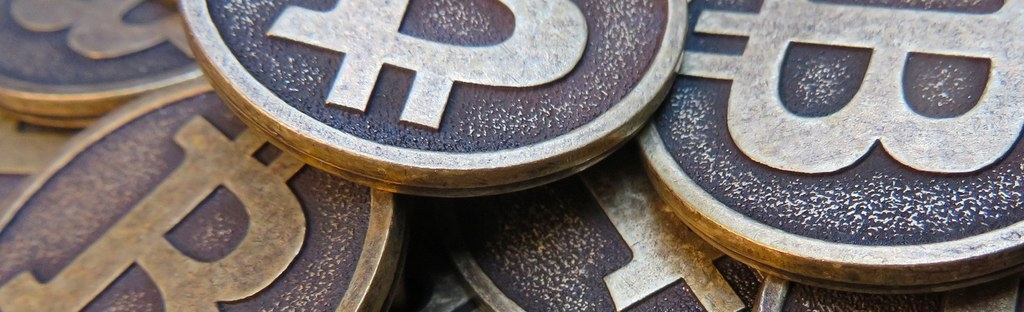
Following its introduction and rise in online gambling markets, Bitcoin was picked up by casino players faster than by any other kind of online gambler. In just a few years, sites built around crypto brought new ideas to the table, such as betting in tiny fractions of a coin and games whose results players can check for themselves.
Bitcoin casinos once dwarfed the Bitcoin online sportsbook and poker room markets in value by a large margin. Early sites changed hands for millions: Satoshi Dice sold for 126,315BTC in July 2013. For much of crypto’s history, casino games have been the biggest part of the Bitcoin gambling economy.
That history comes with a catch. Most sites that call themselves Bitcoin casinos are not licensed in the countries their players live in. This guide explains how Bitcoin casinos compare with traditional online casinos, what provably fair games are, and why a licence from your own country’s regulator matters more than the payment method.
Compared to Traditional Online Casinos
While a $10-12 million company is nothing to discount, this is a paltry amount compared to some of the world’s top online casino companies. These companies are worth billions of dollars, and just one of the larger casinos dwarfs the entire Bitcoin casino industry in market cap.
One would think that, with this enormous financial advantage, traditional online casinos would offer a very different product. In some ways they do: licensed operators have to verify their players, test their games, hold customer funds under the regulator’s rules and offer a complaints route. Bitcoin casinos competed on other things. Betting limits catered for small bankrolls, with mBTC and uBTC denominations allowed, while table limits at traditional casinos are generally $1-$5 minimum and slots start from 1 cent a spin.
Traditional online casinos still have more betting options and casino games than most crypto sites. The standard casino games, such as blackjack, craps, roulette and baccarat, are found almost everywhere, along with their variations and a large assortment of other casino favourites.
Slot machines are the first choice of many online casino players, and crypto sites took notice. Most have dozens of slots on offer, alongside video poker and other related games. Of course, the selection of games varies from one casino to the next.
Bonuses and VIP programmes work the same way whatever the currency: they come with wagering requirements, game restrictions and time limits. Read the terms before accepting any offer, and treat a bonus as part of the entertainment rather than as free money.
A word of warning: some online casino operators have offered hacked and unlicensed copies of well-known slot games to their customers. There is no way of telling whether such games have been tampered with. A licensed operator has to use approved game suppliers and tested software, which is one of the simplest reasons to stick with one.
Major Advantages and Trade-offs of Bitcoin Casinos
Early Bitcoin casinos sold themselves on anonymity: sign up with a username and password, no documents, no questions about where you live. That is exactly what licensed operators are not allowed to do. Regulators require identity, age and address checks to keep children out of gambling, to stop money laundering and fraud, and to make self-exclusion work. A site that skips them is a site that no regulator in your country is supervising.
The same goes for country restrictions. A licence covers the country that issued it. A site that takes players from anywhere, including places where online gambling is banned, is offering you no legal protection at all, and in some countries playing there can break local law.
Cost is the other selling point usually made for crypto. Bitcoin transfers are not free: the network charges a fee that rises and falls with demand, and an exchange may charge you to buy and sell coins. The price of Bitcoin also moves, so the value of a balance can change between deposit and withdrawal. And a transaction sent to the wrong address cannot be reversed.
Better Odds and Provably Fair
When it comes down to it, the fairness of the games is what matters most. Bitcoin casinos pioneered a way of checking it. Every casino game has a built-in house edge, whatever the currency, and the return to player differs from game to game, so check the figure the casino publishes for each game rather than trusting a general claim about “better odds”.
What crypto sites did introduce is a way to check each result. Using cryptographic hashes, gamblers can confirm that the outcome of a bet was not changed after it was placed. This is done by combining the client seed and the server seed of each individual bet to verify the randomness of the game.
Provably fair is a clever idea, but it only proves one thing: that a single result matches the seeds. It does not tell you who runs the site, whether it will pay out, or whether you could get your money back in a dispute. At a licensed casino, games are tested before they go live and the regulator can act if something goes wrong. That covers far more than any one bet.
Since the first provably fair games appeared, many Bitcoin casinos have followed suit, and the system remains one of the most innovative ideas to come out of crypto gambling. Treat it as a useful extra, not a replacement for a licence.
Introduction to Mainstream: Hybrid Bitcoin Casinos
Over the years, some traditional online casinos have begun to accept Bitcoin alongside cards and bank transfers. Crypto’s introduction into mainstream gambling has given it more legitimacy in regulated markets, though the rules are strict.
Usually, instead of sitting at the virtual blackjack table with bitcoins, the casino exchanges the BTC for its current value in USD, EUR or GBP. Players then play in the fiat currency of their choice. When it is time to withdraw, the funds are converted back into Bitcoin and sent to the player’s wallet.
Regulators look hard at this. The UK Gambling Commission, for example, has told its licensees that crypto-assets are considered high risk and that transactions funded by them must be scrutinised. As a result, many licensed casinos do not accept crypto at all, and those that do still run the full identity and source-of-funds checks. Never pick a casino just because it takes Bitcoin.
How to Check a Bitcoin Casino’s Licence
Online casinos are licensed in some countries and banned in others, and a licence issued in one country does not make a site legal in another. Before you play anywhere, find the gambling regulator for the country you live in and look the operator up on its public register. Two well-known examples are the UK Gambling Commission’s public register and the Malta Gaming Authority’s licensee register.
Search for the company name and the website address shown in the casino’s footer, and check that the licence is active and covers the site you are on. A logo or a licence number on a casino’s own pages proves nothing until the regulator’s register confirms it.
A licence from your own regulator is what gives you rights. In Great Britain, for example, operators must verify your age and identity before you gamble, must tell you how well your money is protected if they go bust, and must offer a complaints process with an independent dispute resolution service behind it. Self-exclusion schemes such as GAMSTOP cover licensed operators only. An offshore site offers none of this: no local regulator, no dispute route, and no way to enforce a self-exclusion.
Bitcoin Casinos and Responsible Gambling
You must be 18 or over to gamble online, and older where local law sets a higher age. In the United States, online casinos are licensed state by state, so check the state regulator and its age limit before you play.
Decide on a budget before you start, use the deposit limits and time-outs your account offers, and never chase losses. Crypto makes it easy to move money quickly, which makes limits more important, not less.
If gambling is causing problems for you or someone close to you, free and confidential help is available. Gambling Therapy offers free online support in many languages, wherever you live. In the US, the National Problem Gambling Helpline is 1-800-MY-RESET (1-800-697-3738). Your national regulator will also list the helpline in your country.
References
- UK Gambling Commission: public register of licensed operators
- UK Gambling Commission: emerging money laundering and terrorist financing risks (crypto-assets)
- UK Gambling Commission: age, ID and financial verification
- UK Gambling Commission: what happens to your money if a gambling business goes bust
- Malta Gaming Authority: licensee register
- GAMSTOP: self-exclusion from operators licensed in Great Britain
- Gambling Therapy: free international support
- National Council on Problem Gambling (US): 1-800-MY-RESET
Questions & Answers