

Bitcoin Roulette

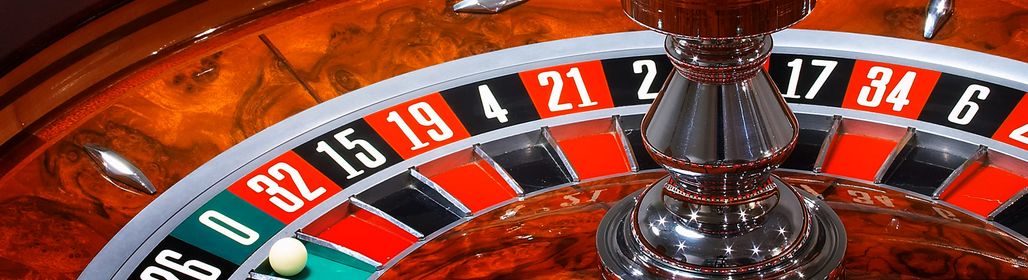
Roulette is a mainstay of online casinos, and casinos that accept Bitcoin are no exception. You can find a wide range of roulette games online, from mobile-friendly virtual wheels through to live-dealer games streamed from a studio. What crypto casinos added to the mix is the “provably fair” game, where you can check each spin yourself.
This guide takes you through what you need to know about Bitcoin Roulette. I have started with the different games and variations. After that, some of the common betting strategies are covered, and why none of them beats the house. Finally, the pros and cons of playing roulette with Bitcoin compared with dollars, euros or other currencies are discussed, followed by how to check a casino’s licence and where to find help.
Types of Bitcoin Roulette Game
With so many roulette variations available, I have organised the options below starting with the simplest games and working through to those with the most features. If you are new to online roulette, the choice of wheels may be new to you. The rule of thumb is always to select the European wheel over the American version. The house edge is much lower on the European game, since there is only a single zero, compared with the two zeroes on the US wheel. On a European wheel the house edge is 1 in 37 (about 2.7%) on most bets; on an American wheel it is 2 in 38 (about 5.26%).
The plainest roulette games online are the provably fair games some crypto sites built themselves. Some use a strip of numbers instead of a wheel and look like something from a 1980s home computer. The odds are clearly displayed, and the server strings below the betting area let you check each result. These games are strangely compelling, despite the retro feel.
Other simple games do have a wheel, though the graphics are plain and the betting a little clunky. Their main selling point is the provably fair information shown below the game.
Studio-made games are a big step up. SoftSwiss, a casino software specialist, offers French Roulette, which is like the European game but returns half of your stake on even money bets when the ball lands on zero. That rule cuts the house edge on those bets further. These are slick games with realistic wheels.
BetSoft and PlayTech are two big, well-established software houses that power some of the biggest casino brands around. Both offer a choice of wheels and state-of-the-art graphics, and PlayTech’s Roulette Pro has expert betting options. Be careful, though: copies of PlayTech games have appeared at unlicensed crypto casinos without the developer’s approval. A pirated game can be set to do anything, so play these titles only at casinos licensed to offer them.
You will also find live dealer roulette games at many online casinos. These games are streamed live and hosted by a real croupier. Spins are fairly frequent, with around 30 seconds a common wait. You bet on screen and are paid out on wins automatically, and you can chat with the dealer and other players through a text box.
Bitcoin Roulette Betting Strategies
Roulette is popular with players employing betting systems, hoping to beat the house. The fact that casinos, live and online, welcome anyone to try the latest system should tell you that these do not work over time. Stake-doubling systems, including the famous Martingale sequence, have spawned hundreds of variations, many quite complex. While these can change the short-term pattern of your results, they do not overcome the house edge in the long term. Compare the measures casinos take to stop blackjack players gaining a tiny edge by card-counting with the welcome they give roulette system bettors, and you have your answer.
Martingale also has a hard limit: every loss doubles the next stake, so a run of losses quickly hits the table maximum or the end of your budget. When that happens, the loss is far bigger than all the small wins before it.
A better approach is to set a budget, mix bets you enjoy, and treat any winning streak as luck rather than as proof that a system works.
Pros and Cons of Bitcoin Roulette
Playing roulette with Bitcoin has a few genuine plus points, but the old arguments for it do not hold up well.
Anonymous play is the feature older Bitcoin casino guides pushed hardest. In practice it is the biggest risk. A site that asks only for an e-mail address and ignores where you live is not licensed where you live, so nobody tests its games, holds it to its terms or steps in if it refuses to pay. Licensed casinos must check your age and identity; that is part of what protects you.
Speed of Bitcoin deposits is real, but Bitcoin is not free to use. Network fees change with demand, exchanges charge to buy and sell, and the coin’s price moves while your money is at the table. Withdrawals at crypto sites can also come with limits on big wins.
Provably fair games let you check that a spin was not changed after you bet, which is a clever tool. It only covers one result, though. It tells you nothing about who owns the casino, and many crypto casinos have opaque ownership structures with only an e-mail address for contact. For most players, that is too high a price to pay.
Bitcoin Roulette: How to Check a Casino Licence
Whether you may play roulette online depends on your country, and a licence from one country does not make a site legal in another. Look up your country’s gambling regulator and search its public register for the company and the web address shown on the casino. The UK Gambling Commission register and the Malta Gaming Authority licensee register are good examples of how these work.
Many licensed casinos do not take crypto at all. The UK Gambling Commission has told licensees that crypto-assets are considered high risk, so where a licensed site does accept Bitcoin it will still check who you are and where your money comes from. If you live in the US, online casino games are licensed state by state, so check your state’s regulator.
Playing Bitcoin Roulette Responsibly
You must be 18 or over to play roulette online, and older where local law sets a higher age. Roulette spins come round quickly, so decide on a budget and a time limit before you start and use the deposit limits your account offers. Never chase losses by raising your stakes.
If gambling is getting out of hand, free and confidential support is available from Gambling Therapy, online and in many languages. US players can call the National Problem Gambling Helpline on 1-800-MY-RESET. Your national regulator will list the helpline in your country.
References
- UK Gambling Commission: public register
- UK Gambling Commission: crypto-assets considered high risk
- UK Gambling Commission: age and ID verification
- Malta Gaming Authority: licensee register
- Gambling Therapy
- National Council on Problem Gambling (US)
Questions & Answers